Interdisciplinary collaboration
Collections-based research is an increasingly interdisciplinary activity, often requiring the integration of expertise from the humanities (including digital humanities), conservation practice, heritage science, as well as library and archival studies. Scholars are no longer concerned solely with the textual content of an object, but also with its material composition, manufacture, use, deterioration, and cultural biography. Interdisciplinary collaboration has therefore become more common, but many researchers and practitioners lack formal training in how to work effectively across disciplinary boundaries. Differences in language, methods, professional cultures, and research expectations can create misunderstandings and inefficiencies, even when collaborations are scientifically and intellectually valuable.
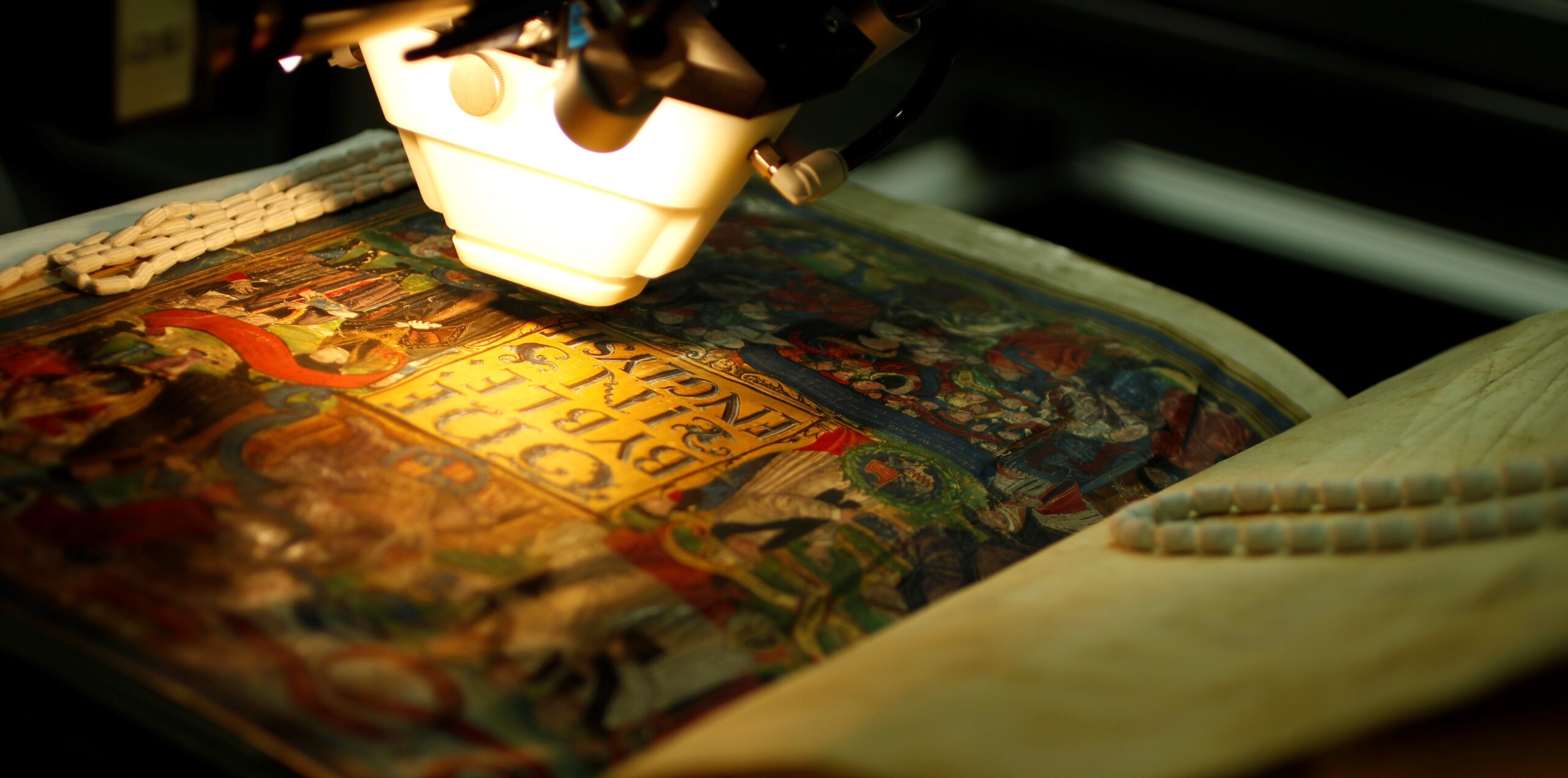
The Hidden in Plain Sight project team is highly interdisciplinary, including historians, heritage scientists, librarians, conservators, technicians and curators, many of them working as part of such an interdisciplinary team for the first time. The project therefore has presented an opportunity to develop and test protocols for inter- and cross-disciplinary work. Having embraced this opportunity, team members have reflected on their experience during both informal conversations and structured interviews, which were carried out two-thirds of the way through the project, and which are currently being turned into a reflection piece.
The challenges raised by very collaborative, very interdisciplinary work, have turned out to be an interesting avenue for “research on research” and reflections on research culture. We have identified (infra)structural challenges, and have come to fully appreciate the crucial role played by leadership in ensuring that this type of work is both academically successful as well as personally and professionally rewarding for everyone involved.