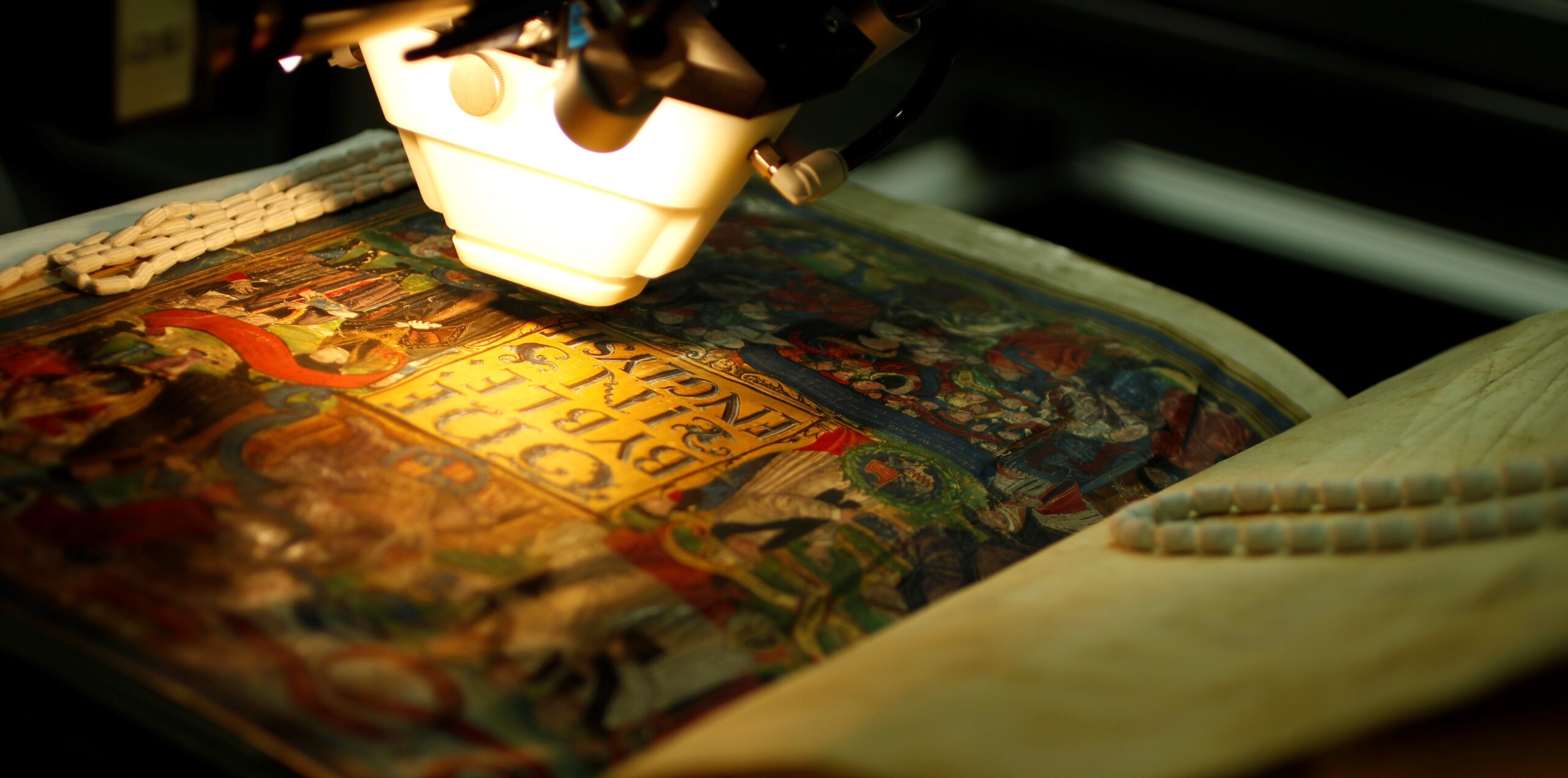
Exploring Erasures
Encountering an erasure mark in a premodern codex is hardly unusual for scholars or enthusiasts who study them. Yet, erasures have long attracted little scholarly attention and have been largely overlooked by modern readers. Traditional disciplines such as codicology, palaeography, art history, and textual criticism have long centred on the materiality of the codex. These fields provide essential insights into production, structure, provenance, and later alteration. Yet erasures have often remained marginal, except in recognizing and deciphering Palimpsests or discussing well-established cases such as the systematic removal of St Thomas Becket’s name and imagery from English religious books due to Henrician decrees.
In recent years, drawing on book history, theology, anthropology, psychology, and response theory, readers have come to be understood as actively engaged participants in the life of a book. Within the study of premodern religious manuscripts, this approach provides important tools for understanding how sacred texts and images affected their contemporary readers and the types of responses they may have generated. The emergence of imaging and analytical technologies are currently transforming the field of book studies. Various techniques now allow scholars to examine different aspects of the materiality of books. The Hidden in Plain Sight project focus on these new possibilities to study erasers in premodern religious books.
Erasures appear in premodern books in varied forms: a smeared or scraped surface, sections covered with ink or other substances, or even portions that have been cut away. They may result from deliberate actions or from careless handling that produced unintended damage. Within the project, erasures are defined as the physical outcomes of actions or conditions that result in the alteration or removal of text or image. This includes deliberate censorship or iconoclastic intervention, as well as damage caused by devotional gestures, careless handling and environmental factors. Rather than focusing on intention and motivation of the act of erasure, the project prioritises observable physical evidence, allowing for a more nuanced classification of how manuscripts were read, used, and transformed over time.
One of the main goals of this project is to understand the different ways text and images were degraded by intentional contact in premodern books, and to identify the physical traces these processes leave behind. The team also carried out a hands-on experiment to better understand how erasures affect materials. Calligrapher and illuminator Patricia Lovett created, on a newly prepared vellum leaf, twelve small squares, each filled with the same pigment and accompanied by a short text written in ink above. A conservator then applied four different erasure techniques to the squares, twice each, without revealing which method was used in each square. A range of analytical tools were employed to examine the results, using advanced imaging and analytical techniques to detect changes in the surface and materials, and to assess correspondences and differences between the methods applied. This experiment helps build a clearer picture of how different erasure methods work in practice, showing what traces, they leave behind and how effectively modern techniques can detect them. It also highlights both the strengths and limitations of the tools used to study the material effects of different erasure methods.

To support this work, the project has developed a glossary of key terms that describe the actions used to carry out erasures, the material traces they leave behind, how they appear visually, and the analytical techniques used to study them. This shared vocabulary helps bring consistency to the research outcomes of the project and provides a clear starting point for others interested in studying alterations in books.
As the study of erasures has become the main research strand of the project, a few independent strands of investigation research have been initiated to explore this phenomenon, and are briefly presented below. The discoveries made in each of these cases make an important contribution to the study of erasures in premodern books. Key questions emerged about how to select appropriate technical methods of examination, how to interpret their results, and how material evidence can either support or challenge a hypothesis.
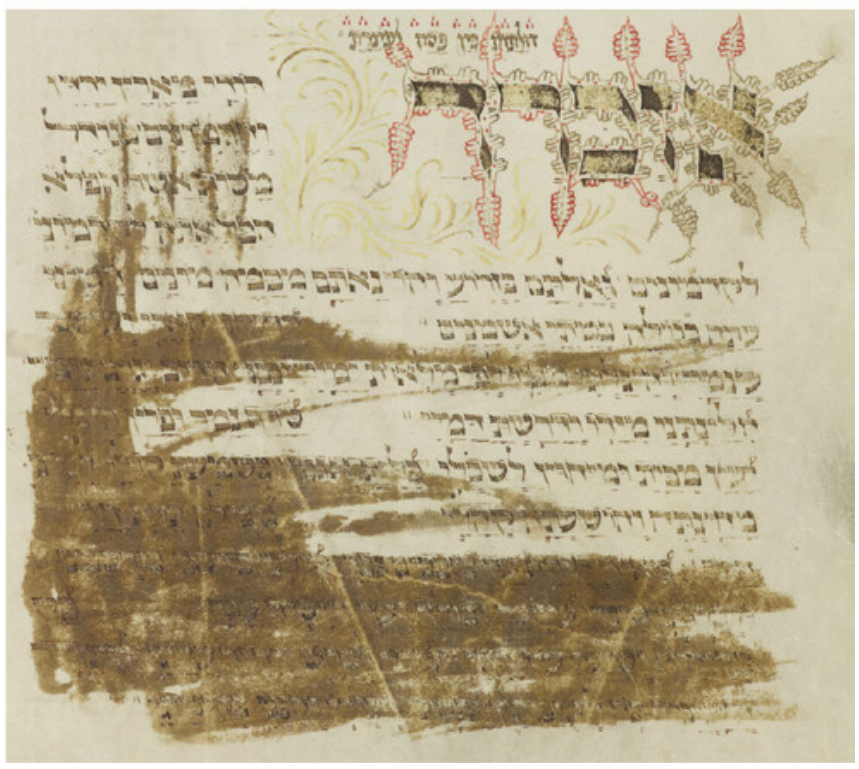
Reconstructing the sequence of multiple censorship campaigns in a Jewish liturgical manuscript using multispectral imaging (MSI) and digital microscopy.
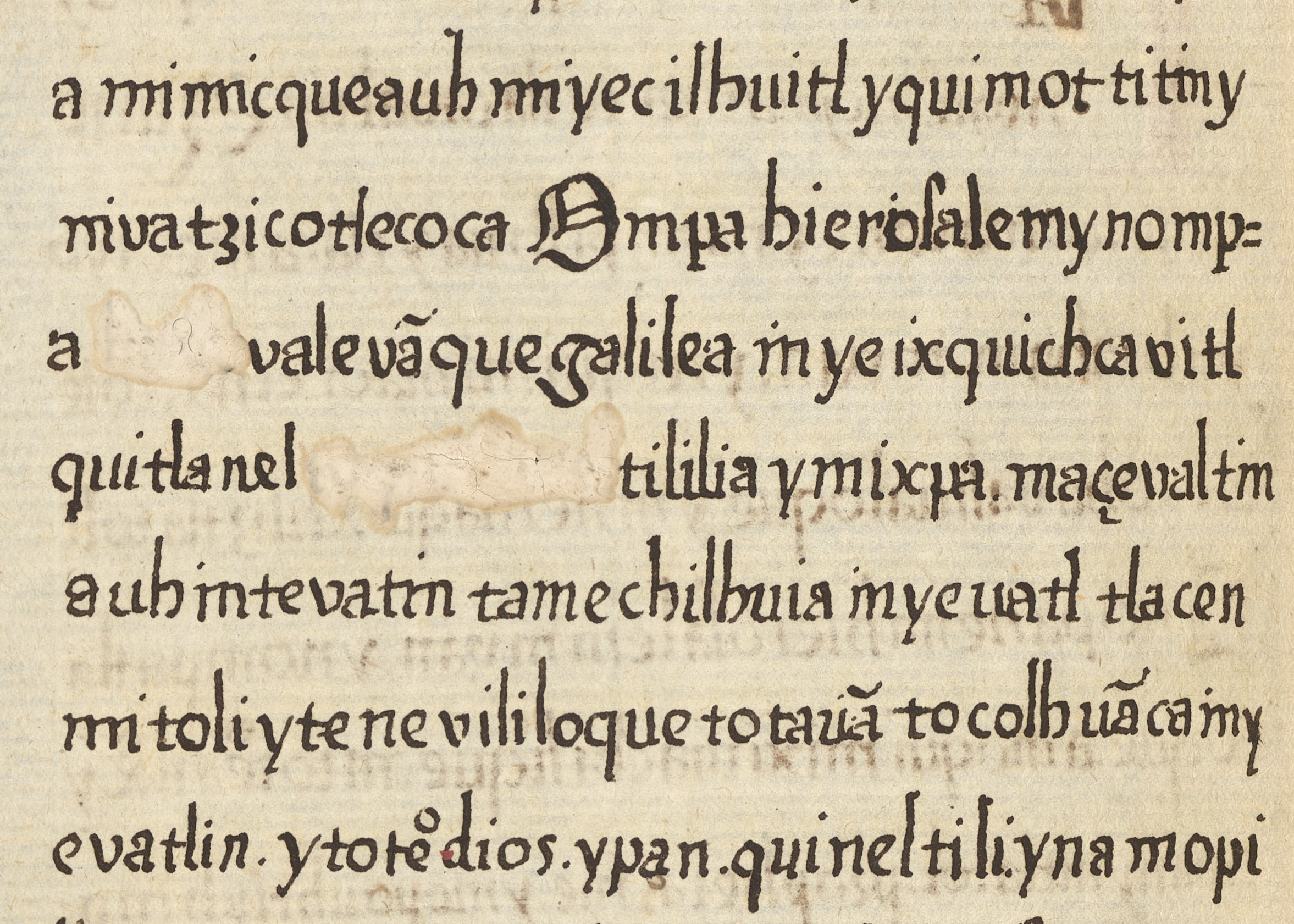
Exploring the materials and the historical context of a Nahuatl–Latin lectionary through the analysis of a white paste used to obscure textual passages.
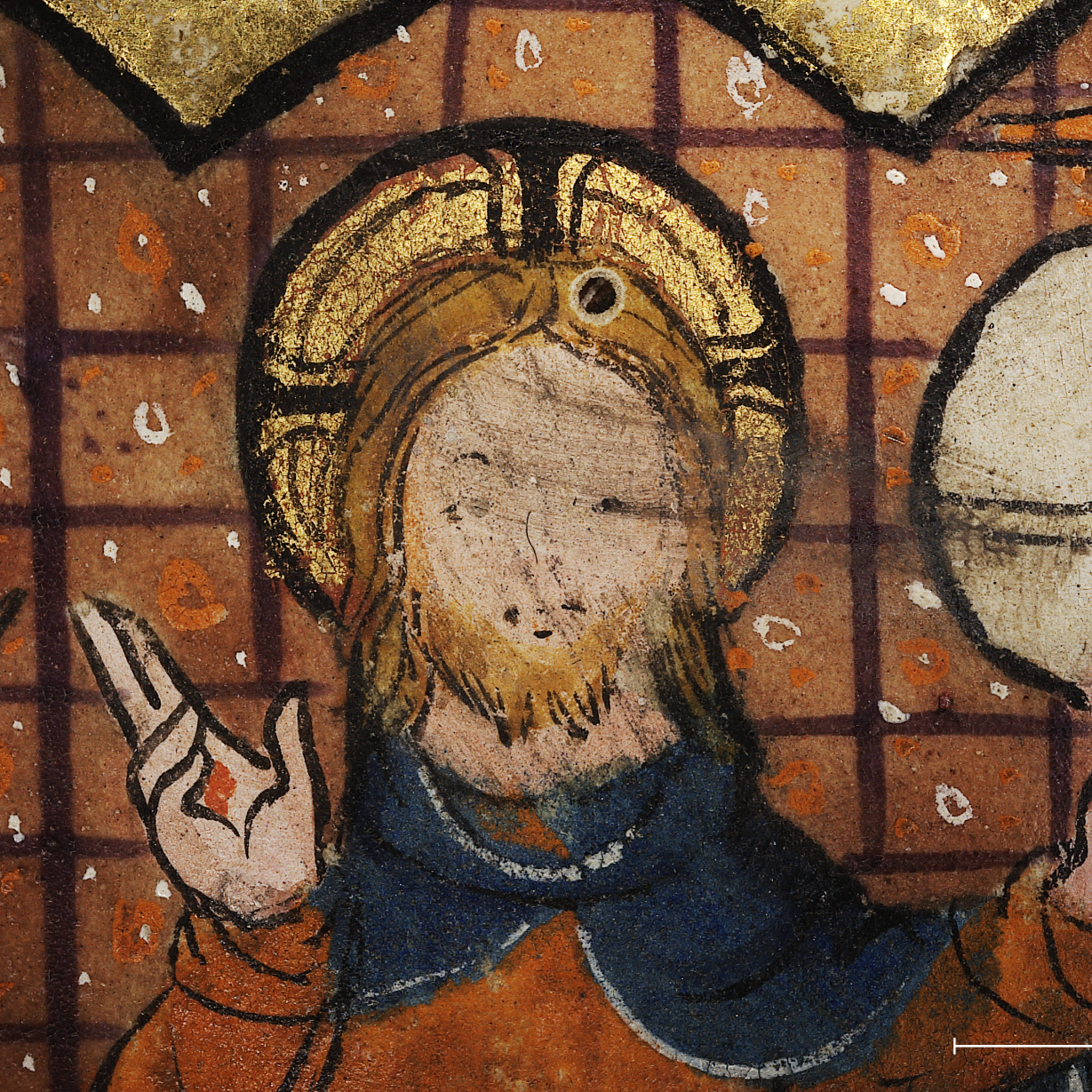
Investigating whether the examination of material patterns of erasure can provide evidence to distinguish between iconoclastic actions, devotional practices, and careless handling.
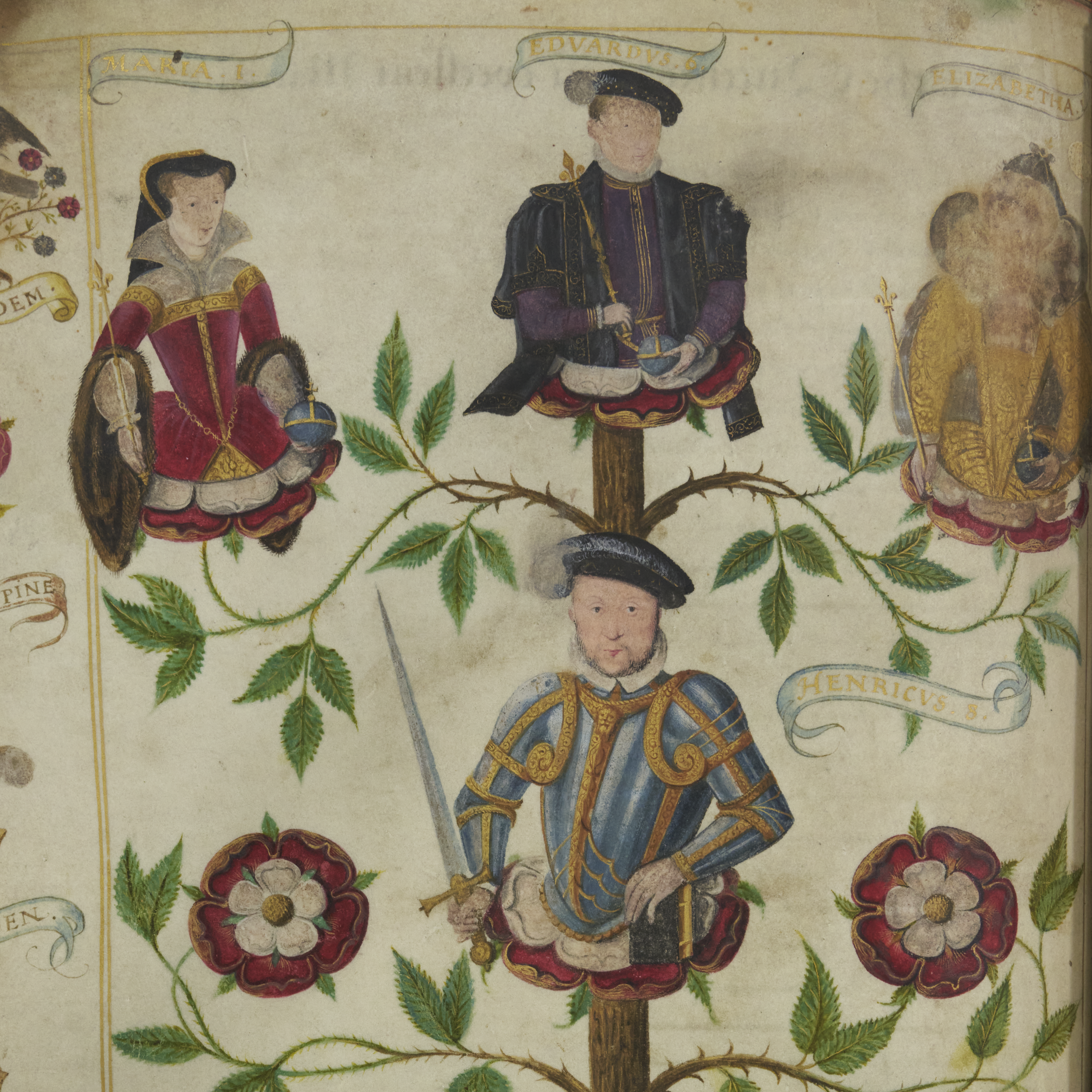
Using imaging techniques to uncover the natural processes of degradation of pigments in a Tudor family tree.